The UK Ministry of Defence has highlighted Additive Manufacturing Solutions Ltd. (AMS) for its role in advancing sustainable additive manufacturing for UK defence and aerospace.
The UK Ministry of Defence recently shared how old fighter jets are helping build the next generation of aircraft, recognising AMS’ work in reusing material from retired Tornado aircraft to support future aircraft programmes.
In a UK-first initiative alongside Rolls-Royce, AMS reused materials from retired Tornado aircraft to create new parts for the next-generation Tempest programme using advanced 3D printing techniques.
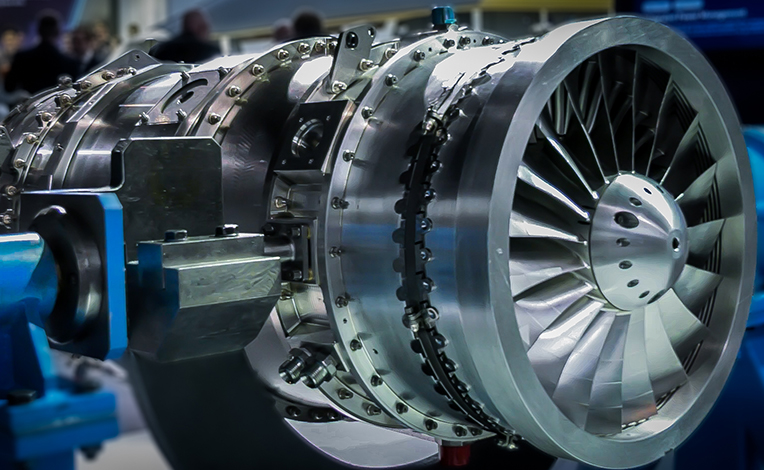
This work forms part of a wider move towards circular and sustainable manufacturing. By reusing valuable aircraft material and applying metal additive manufacturing processes, AMS is helping demonstrate how legacy defence assets can support future aircraft, reduce waste, and strengthen UK supply chains.
Earlier this year, AMS also partnered with QinetiQ to produce a 3D-printed titanium component made from recycled aircraft material which successfully took flight. The Ministry of Defence described this as believed to be a world first.
This is a significant example of how additive manufacturing can support the defence sector by reducing waste and carbon emissions, improving supply chain resilience, and speeding up how parts are made and delivered.
For AMS, this recognition reinforces the company’s commitment to helping UK industry adopt advanced manufacturing technologies in practical, scalable and commercially viable ways.
Founder and CEO Robert Higham has been at the forefront of AMS’ work in this area, supporting the development of additive manufacturing routes that can help organisations build resilient supply chains and unlock new opportunities across aerospace, defence, motorsport and advanced engineering sectors.
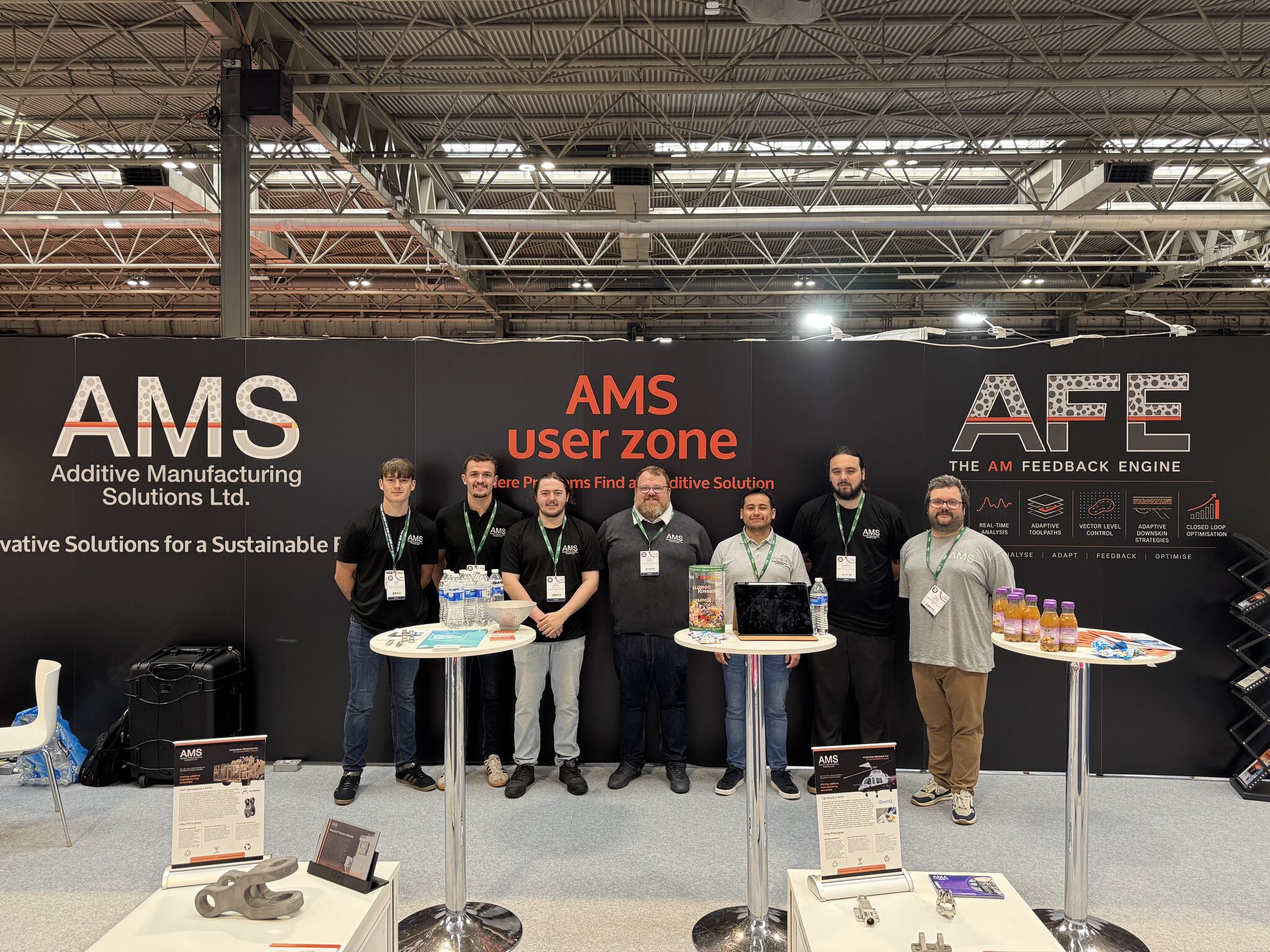
The Ministry of Defence also highlighted the role this work plays in creating highly skilled jobs across the UK. AMS continues to invest in future talent through local apprenticeships in engineering, software and advanced manufacturing, helping develop critical skills in design, analysis, material science and production.
AMS apprentice Isaac Ashcroft was featured in the Ministry of Defence post, saying:
“I’ve had hands-on experience, real responsibility, and the support of a team helping me develop my skills while studying towards an engineering degree.”
AMS is proud to support apprentices and early-career professionals across the business, including those working in engineering, software, DevOps and advanced manufacturing roles.
This recognition from the Ministry of Defence reflects the importance of UK innovation, collaboration and skills development in delivering the next generation of defence capability.
AMS will continue to work with partners across industry, government and research to support more sustainable, resilient and effective manufacturing for the future.